How to play roulette? Rules, bets and strategy
Roulette is a classic game of chance. Learn the rules, inside and outside bets, European vs American roulette and strategies, and find the best roulette casinos.
Looking for the full rules? See the in-depth guide roulette rules — every bet table, the payouts, La Partage and the house edge by variant.
Roulette is one of the most classic and simplest casino games — place a bet on a number or colour, the wheel spins and the ball decides. Although roulette is a game of chance, knowing the bet options and house edge is essential to make smarter choices. In this guide you'll learn the rules, inside and outside bets, the difference between European and American roulette, and the common strategies. The term is defined in our glossary: roulette.
Roulette rules in brief
The goal of roulette is to predict which number the ball will land on after the wheel spins. You bet before the spin: on a number, a group of numbers, a colour (red/black) or even/odd. The dealer spins the wheel and rolls the ball the opposite way; when the wheel stops, the ball's pocket sets the winning number. All bets on that number win, the rest lose. Roulette is pure chance — each spin is independent of the last.
Bet options: inside and outside bets
Roulette bets split into two. Inside bets are placed on numbers within the layout: a single number (Straight, paying 35:1), two numbers (Split, 17:1), a row or a corner. They pay big but win rarely. Outside bets cover larger groups: red/black, even/odd, 1–18/19–36 (all paying 1:1), and dozens and columns (2:1). Outside bets win more often and suit steadier play.

European vs American roulette — which to choose
Roulette has two main variants. European roulette has a 37-pocket wheel (0–36) and a 2.7% house edge. American roulette adds a double zero (00), so 38 pockets and twice the edge — 5.26%. For the player, European roulette is clearly better, so always prefer it. Some tables also have the "La Partage" rule, which returns half of an outside bet on zero and lowers the edge to 1.35%.
Roulette house edge and payouts
Roulette payouts are fixed, but the house edge comes from the zero (and the double zero in American roulette), which isn't part of any outside bet. So the real win chance is always slightly lower than the payout implies. European roulette's RTP is about 97.3%. No bet option changes the house edge — it's the same on every bet; only the frequency and size of wins change.
Roulette strategies — do they work?
The best known is the Martingale strategy, where you double your bet after a loss so the first win covers the losses. It sounds logical, but the table limit and losing streaks can drain your bankroll fast — the Martingale strategy doesn't change the house edge. Other systems (D'Alembert, Fibonacci) work similarly. The only "strategy" that really lowers the edge is preferring European roulette and the La Partage rule.
Live roulette
The most authentic experience is roulette at a live casino, where a real dealer spins the wheel in real time via a stream. Game-show-style variants like Lightning Roulette are also popular, where random numbers get multipliers up to 500:1. Live roulette combines the trust of a physical wheel with the convenience of playing from home.
Where to play roulette
Roulette can be played at an automated table or with a live dealer. See our hand-picked roulette casinos and the wider table-game casinos. Always prefer European roulette for its lower house edge.
Roulette history and variants
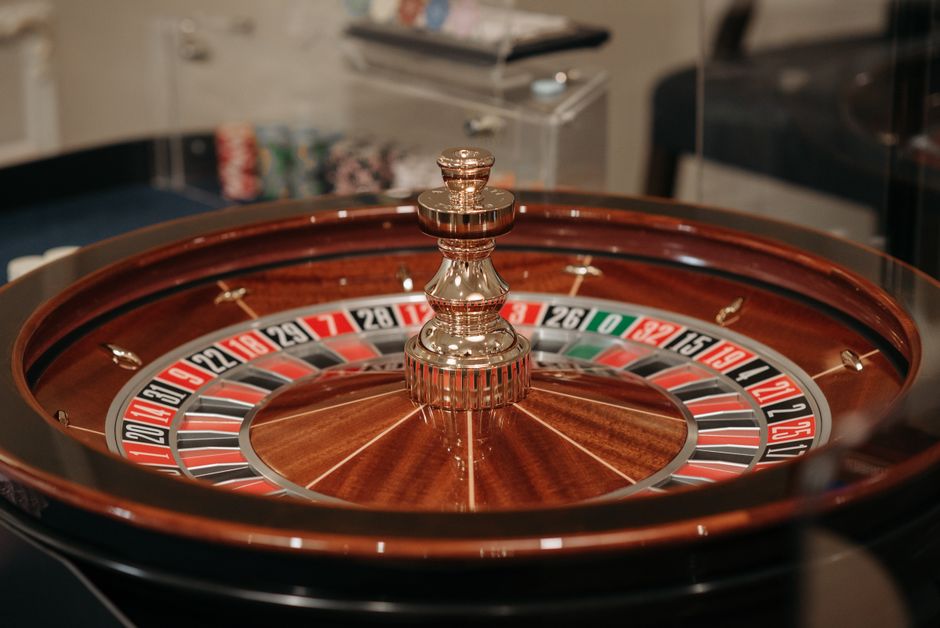
Roulette was born in 18th-century France, and its name means 'little wheel' in French. Today there are three main variants: European (one zero), American (double zero) and French roulette, which resembles European but adds the La Partage and En Prison rules that lower the house edge further. Online casinos also offer modern variants like Lightning Roulette and Multi-Wheel Roulette. Read more about the history and wheel design in the Wikipedia roulette article. The numbers on a European roulette wheel aren't in sequence but arranged so that reds and blacks, and high and low numbers, alternate — ensuring balance and making the outcome as unpredictable as possible.
Roulette payout table
Roulette payouts depend on the bet type. A single number (Straight) pays 35:1, two numbers (Split) 17:1, three numbers (Street) 11:1, a corner 8:1, six numbers (Line) 5:1, a dozen or column 2:1, and colour, even/odd and high/low 1:1. The smaller the win probability, the bigger the payout — but the house edge stays the same on every bet (2.7% in European roulette). For steadier play and longer game time, prefer balanced outside bets, which have a higher win probability.
Common roulette myths
Many myths surround roulette. The most common is the belief that after a long run of reds, black 'must' come — this is the gambler's fallacy, because each spin is independent and the wheel has no memory of past results. 'Hot' or 'cold' numbers don't help either, and no betting system can beat the house edge — see the Wikipedia Martingale article). The only proven way to lower the edge is to prefer French or European roulette with the La Partage rule. If the game is no longer entertainment, find support via the National Institute for Health Development or peaasi.ee.
Summary
Roulette is a simple, classic game of chance: choose European roulette for the lower house edge, know the difference between inside and outside bets, and don't believe systems like Martingale change the edge. Set a firm budget, prefer outside bets for steadier play, and enjoy the game as entertainment. You can play live roulette at our recommended roulette casinos.
Frequently asked questions
How does roulette work? You bet on a number, colour or group, and the ball sets the winning number when the wheel stops.
Which roulette is better? European (one zero), because the edge is 2.7% vs American 5.26%.
Does the Martingale strategy work? It doesn't change the house edge; the table limit and losing streaks make it risky.
What's the best bet? No bet changes the edge; outside bets (red/black) win more often, inside bets pay more.