Live casino guide: how real dealer tables actually work
A live casino is not a slot with a human face. It is a separate production chain with its own studios, cameras, certificates and mathematics — and its own rulebook that decides whether your bonus moves at all. We take the whole chain apart, from the studio to the edge of the table.
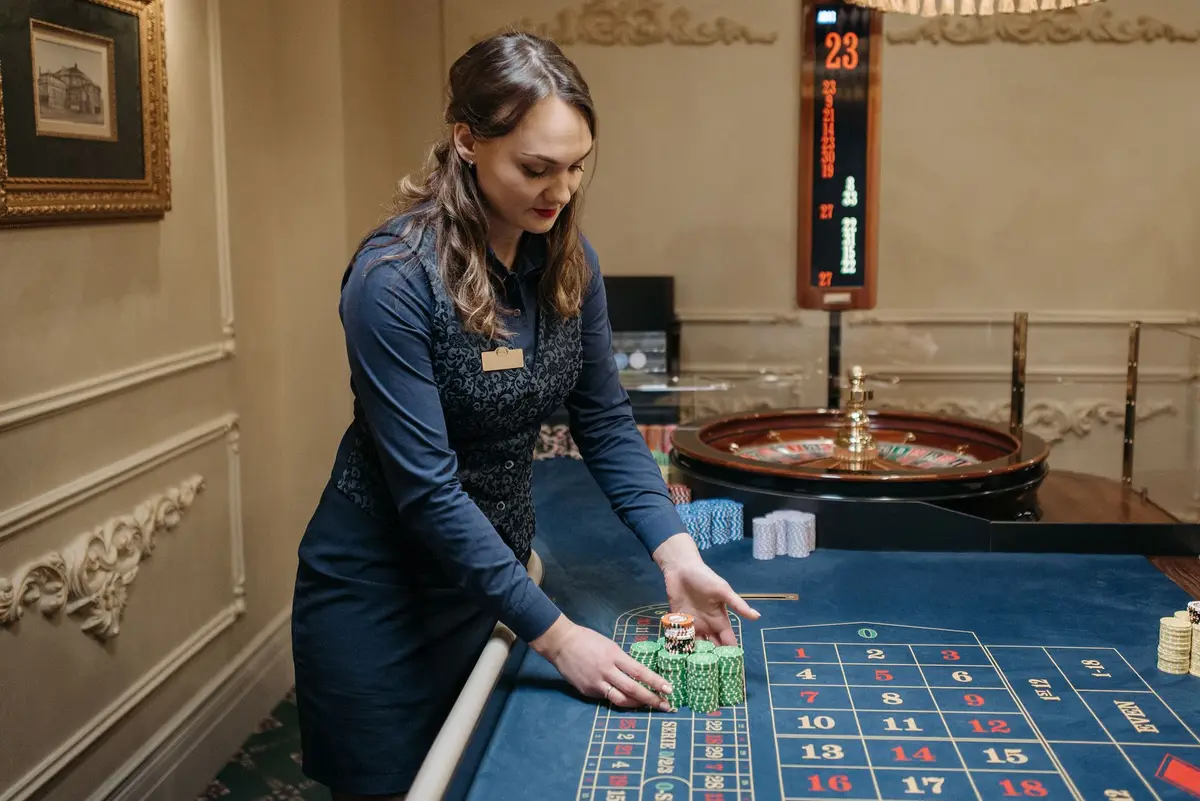
When you open the live casino section of a casino, you see tables with a human being behind them. They deal the cards, spin the wheel, greet you by name. The rest of the casino is software — this part looks like a television broadcast.
And that is exactly what it is. A live casino is not a slot with a human face pasted over it. It is a separate production chain: a physical studio, a camera rig, dealers working in shifts, certified equipment and a software layer that turns a real spin of a real wheel into a data stream on your screen. That chain has its own mathematics, its own limits and — most importantly for your wallet — its own rulebook inside bonuses, one that differs from slots so much that most wagering attempts fail right here.
In this guide we take the whole chain apart. Where the picture comes from, who audits it, how each type of table differs, what the numbers actually mean, and which five or six mistakes cost Estonian players the most. If you have only ever played slots, there are chapters here that will change how you behave in the first three minutes after opening a table.
What a live casino actually is
An ordinary online casino game is built on a random number generator — software that decides the outcome before the animation even starts. The reels spinning on your screen are a pretty presentation of a result that has already been settled.
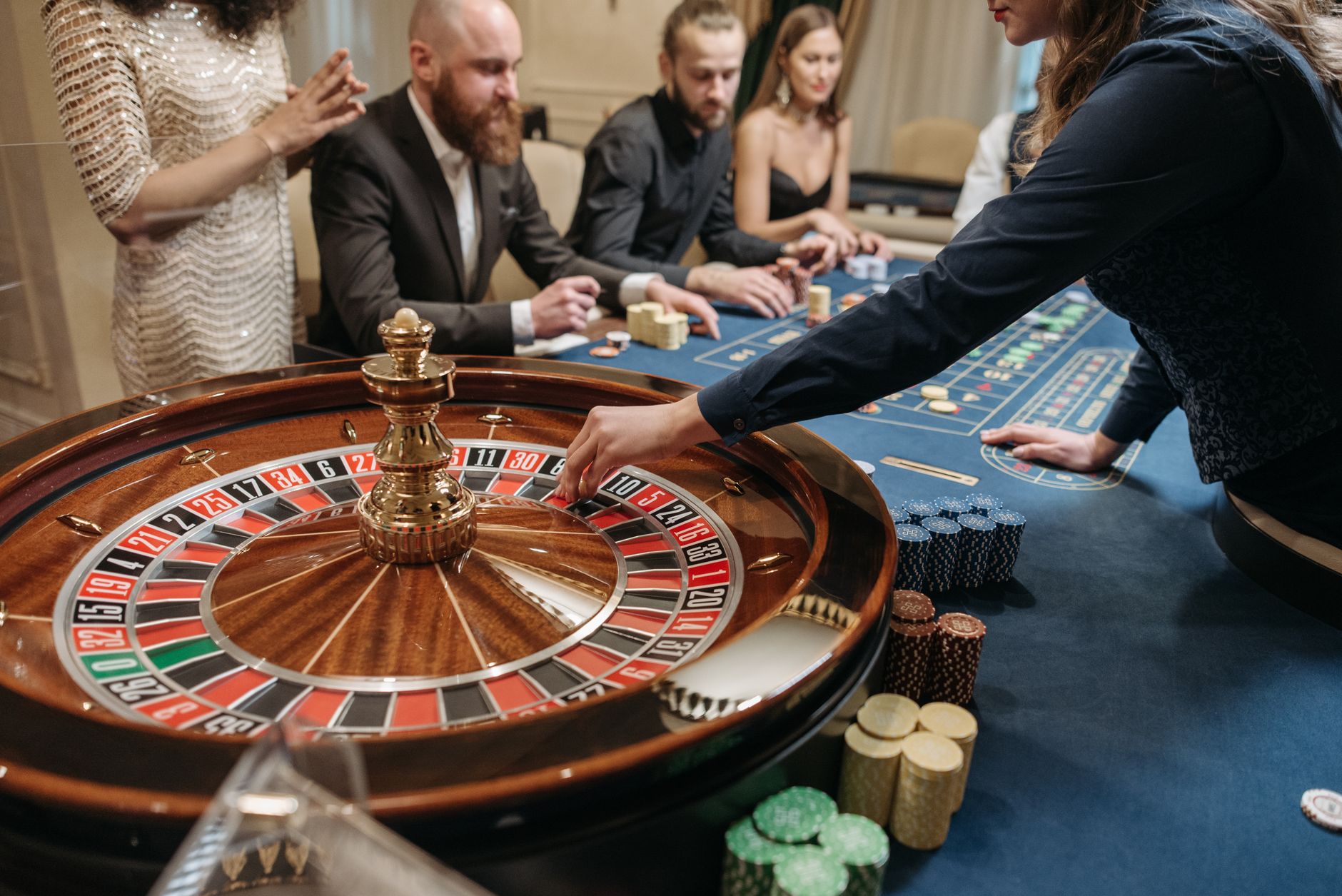
In a live casino that logic is inverted. The outcome is decided by a physical event: the ball on the wheel, the card out of the shoe, the die in the cage. The software's job is not to create the result but to read it and match it against your bet. It is a small technical difference with two large consequences.
First: the result is observable in principle. You watch the ball drop with your own eyes. That does not make the game fairer — a certified RNG is exactly as fair — but it removes the trust question that bothers many players. You do not have to believe the algorithm is sound; you can see the wheel.
Second: the game runs in real time. In a slot, you set the pace. At a live table, the dealer and the other players set it. The betting window is 10–20 seconds, then it closes whether or not you were ready. For the player experience this matters more than most technical details — and from a responsible gambling angle it is a double-edged sword we return to below.
The makers of live tables are separate companies, not the casinos themselves. The casino you play at buys tables in from a game provider — the market is led by Evolution, alongside Pragmatic Play Live, Playtech and several smaller studios. That is why two completely different casinos offer an identical-looking Lightning Roulette table: it is the same table. You are sitting in the same studio, just through a different door.
It also means the quality of the table itself does not distinguish casinos from one another. The difference comes from which tables were bought, what limits were set, how they count inside bonus terms, and how quickly the house pays a win out. Those are what we look at next.
The studio: where the picture is born
Live tables do not come from a casino basement. They come from industrial studios that resemble a television station more than a gaming floor.
A typical large studio is thousands of square metres holding dozens to hundreds of tables, running around the clock in three shifts. For an Estonian player there is an interesting geographical fact here: one of Evolution's largest studios is in Riga, a couple of hundred kilometres away. If you sit down at a Lightning Roulette table in the evening, the wheel you are watching is quite likely spinning in Latvia. Some operators have offered Baltic-language tables from there, although the selection fluctuates and is worth checking at the specific casino.
What happens technically in the studio. Every table has several cameras: a wide shot, a close-up of the wheel or the card shoe, sometimes a portrait of the dealer. The picture is encoded at several quality levels so that it works over both fibre and a poor mobile connection — which is why your picture sometimes blurs while the game itself does not drop.
How the result reaches the computer. This is the technical heart of a live casino. Optical character recognition (OCR) and sensors are used: the roulette wheel has sensors that read the ball's pocket; the card shoe has a scanner that reads the barcode of every card as it comes out, before the dealer puts it on the table. The result reaches the system within a fraction of a second and the system settles the bets automatically. The dealer enters nothing by hand and cannot influence the outcome — their role is the physical action and hosting the show.
What happens when something goes wrong. If the scanner misreads a card or the ball jumps out of a pocket, the table goes into a "game void" state: the hand is cancelled and bets are returned. That is a normal part of the process and it does happen. You see a notice on your screen, the bet comes back, the game starts again.
Who audits this. Live equipment — wheels, shoes, dice cages — undergoes independent testing. The best-known laboratories in this field are Gaming Laboratories International and eCOGRA, whose certificates cover both the physical impartiality of the device and the accounting logic of the software. For a casino licensed in Estonia there is also supervision by the Estonian Tax and Customs Board and the requirements arising from the Gambling Act. How to check a licence yourself is set out in a separate guide: how to check an online casino licence.
Table families and their numbers
At first glance the live section looks like one big hall full of different games. In reality there are four or five clearly distinct families whose mathematics differ by multiples. If you do not know which family a table belongs to, you do not know what your money is doing there.
The most important number is RTP — what share of the money wagered the game returns over the long run. Its flip side is the house edge. Together these two are the foundation of all casino mathematics and they are examined in more depth in the mathematics of casino games. Here we look at how they diverge across live tables.
Live roulette
Roulette is the backbone of the live section and also its most transparent game: one wheel, one ball, unchanging odds.
European roulette with a single zero gives 97.30% RTP — a house edge of 2.70%, the same on almost every bet. French roulette adds the la partage rule: if the ball lands on zero, you get half back on even-money bets (red/black, odd/even). That halves the house edge on those bets to 1.35% and makes French roulette one of the best tables in the entire casino. American roulette with two zeros pushes the house edge to 5.26% — you rarely meet it at Estonian operators, but you do internationally, and it is worth avoiding.
Then there are the show formats: Lightning Roulette and its relatives. These add multipliers to randomly chosen numbers, sometimes reaching 500x. In exchange, the payout on straight-up bets is lower than usual and the provider's published RTP for straight-up bets sits around 97.10%, while outside bets stay at 97.30%. The gap is small, but volatility jumps sharply: you win less often and bigger. The roulette bet types themselves are set out in how to play roulette, and the historical background is in the Wikipedia article on roulette. If you want to compare only casinos with roulette tables, there is a separate list: roulette casinos.
Live blackjack
Blackjack is the only major live game where your decisions change the mathematics. Played correctly with basic strategy, the house edge drops to roughly 0.5% — the best number in the entire house.
But only if the table rules are right. Two things to check before sitting down:
The blackjack payout. The classic 3:2 means a blackjack on a €10 bet pays €15. Some tables pay 6:5, which gives €12 for the same hand. That single change adds nearly 1.4 percentage points for the house — more than all the rest of your strategy saves you. A 6:5 table is never a good choice, no matter how good it looks.
Side bets. Perfect Pairs, 21+3 and similar pay rarely and with temptingly large multipliers. Their house edge is typically 2–7% — many times worse than the main game. They are not a scam, but they are expensive entertainment and should not be confused with strategic play.
A peculiarity of live blackjack is limited seating: a table holds 7 players and at busy times every seat is taken. The workaround is "bet behind" — you bet on another player's hand without making any decisions. The mathematics are the same, but the decisions are made by someone whose skill you do not know. If you take blackjack seriously, that is a poor trade. The full ruleset is in how to play blackjack and the casinos with tables are gathered under blackjack casinos.
Live baccarat
Baccarat — also known as punto banco — is the simplest table for a player: you pick which side wins, and there are no further decisions.
At a standard eight-deck table the numbers are as follows: the banker bet carries a 1.06% house edge, the player bet 1.24%. The tie bet at 8:1 carries 14.4% — one of the worst bets in the whole casino, however attractive 8:1 looks.
The house usually takes a 5% commission on the banker bet. That feels like a penalty, but even with the commission the banker is a better bet than the player. The only thing to know here is this: bet the banker, avoid the tie, do not look for patterns. The scorecards the tables offer predict nothing — they are instruments of the gambler's fallacy. Rules in detail: how to play baccarat; the tables are gathered under baccarat casinos.
Game shows
The game show is the fastest-growing part of the live casino: Crazy Time, Monopoly Live, Lightning Dice, Dream Catcher, Football Studio. In format these are television games — a host, a wheel, bonus rounds, multipliers.
The numbers here are systematically worse than at the tables and depend on what you bet on. Crazy Time's published RTP swings by bet type between roughly 94.4% and 96.1%; Monopoly Live and Lightning Dice sit around 96%; Dream Catcher is roughly 96.6%. For comparison: an even-money bet on French roulette is 98.65%.
That does not mean game shows are bad — they are entertainment and they are good at it. It means they are not where you keep your money alive the longest. If the goal is to play for a long time on a small budget, roulette or blackjack is many times more efficient. The expected loss calculator shows that difference in euros.
Live poker tables
This is a family that often escapes attention, because the name misleads. Casino Hold'em, Ultimate Texas Hold'em, Three Card Poker and Caribbean Stud are not poker in the ordinary sense of the word. You are not playing against other players and you do not win their money. You play against the house, and the house plays to a fixed rule, exactly as the dealer does in blackjack.
That difference matters, because poker skill — reading an opponent, timing a bluff, position — does not carry over. Only one thing carries over: knowing when to continue and when to fold.
The structure is mostly two-stage. You place an ante bet, see the cards, and then decide whether to add a play bet (usually twice the ante) or fold. That second decision is the whole mathematics of the game.
The numbers to know here. Casino Hold'em has a house edge of roughly 2.16% of the ante. Ultimate Texas Hold'em is about 2.2% of the ante, but because you bet several times during the hand, the actual loss relative to the total amount wagered is considerably smaller — around 0.5%. That is a subtlety which makes two games look different in a table even though they are in fact similarly priced.
And here is where most players leave money behind: side bets such as "Ante Bonus", "Pair Plus" or the "6-card bonus" are many times more expensive than the main game, typically carrying a 3–7% house edge. They pay rarely and big, which makes them feel fair. They are not.
If poker-type games interest you, a close relative is video poker — one of the few games where correct strategy pushes RTP close to 99%. Its ruleset is in a separate guide: how to play video poker. Tables and houses are gathered under poker casinos.
Why 35:1 is not a fair price
If you understand this one example, you understand all casino mathematics — and it applies to every live table you will ever open.
A European roulette wheel has 37 pockets: the numbers 1 to 36 and a single zero. If you bet on one number, your chance of winning is 1 in 37. A fair — that is, mathematically correct — payout would therefore be 36:1: you win 36 times your stake and break even over the long run.
The casino pays 35:1.
The entire house edge sits in that one missing unit. One unit divided by the number of pockets — 1 divided by 37 — is 2.70%. Exactly the number on the European roulette row in the table above. The house does not alter the wheel, does not tilt the ball and does not need luck. The house simply pays slightly less than probability would demand, and does so consistently on every bet.
The same logic applies everywhere. The baccarat tie bet should pay roughly 9.5:1 with eight decks. The table pays 8:1 — and that is where the 14.4% comes from, making it the house's best and the player's worst bet. A 6:5 blackjack table pays less for a blackjack than the rule historically required, and that is where those 1.4 percentage points come from.
The practical conclusion is simple and liberating: you do not need to hunt for a "hot" table or predict patterns. You only need to choose the table where the gap between the fair price and the paid price is smallest. That is the entire strategy. The house edge calculator does that arithmetic for every bet in advance, and the concept of RTP is defined the same way internationally.
Live table house edge side by side
| French roulette — even-money bet (la partage) | ≈1.35% house edge · RTP 98.65% · low volatility |
|---|---|
| Live blackjack, 3:2, with basic strategy | ≈0.5% house edge · RTP ≈99.5% · requires decisions |
| Baccarat — banker bet (5% commission) | ≈1.06% house edge · RTP ≈98.94% · no decisions |
| Baccarat — player bet | ≈1.24% house edge · RTP ≈98.76% |
| European roulette — all bets | 2.70% house edge · RTP 97.30% |
| Lightning Roulette — straight-up bet | ≈2.90% house edge · RTP ≈97.10% · high volatility |
| American roulette (double zero) | 5.26% house edge · RTP 94.74% · avoid |
| Game shows (Crazy Time, Monopoly Live etc.) | ≈3.4–5.6% house edge · RTP ≈94.4–96.6% · very high volatility |
| Blackjack side bets (21+3, Perfect Pairs) | ≈2–7% house edge · an expensive add-on to the main game |
| Baccarat tie bet at 8:1 | ≈14.4% house edge · the house's worst offer |
Limits: why your table says "no"
Every live table is set with a fixed betting range and that range is visible in the table description before you enter. A typical split at an Estonian operator looks roughly like this:
- Entry tables: €0.10–5 per bet. Meant for learning and for a long evening on a small budget.
- Standard tables: €1–500. The widest selection and most players.
- VIP and high-stakes tables: €25–10,000 or more. Often requiring a separate invitation or a VIP tier, and associated with high roller players.
Two things regularly surprise players here.
The table limit is not your limit. The fact that a table permits a €500 bet does not mean it is sensible. Your bet size should come from your bankroll, not from the table's upper bound. The bankroll planner does that calculation in advance: how large a single bet may be so that the money lasts the time you planned.
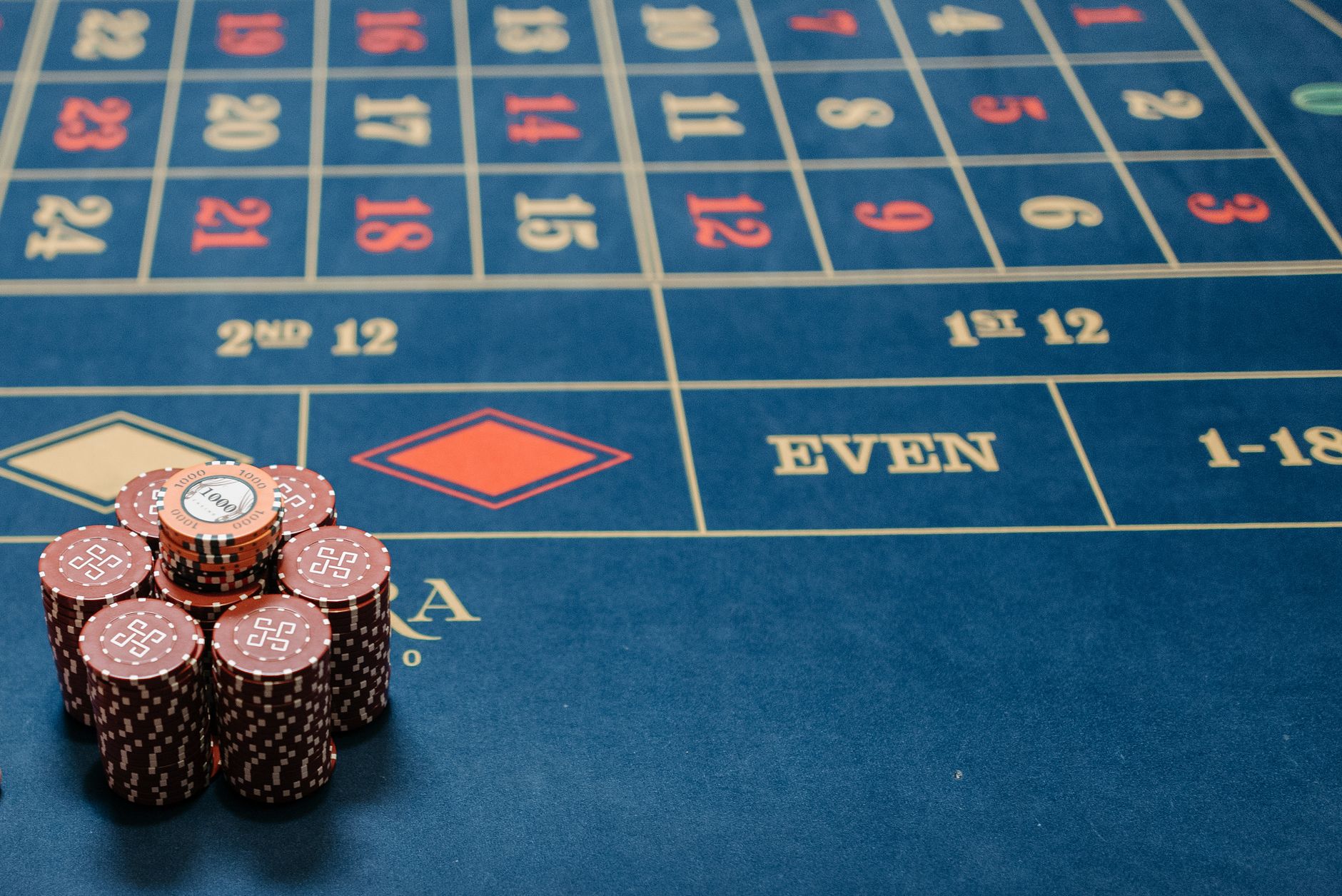
The minimum applies per bet, not per table. In roulette, where you cover ten numbers with separate chips, the minimum is multiplied by ten. Players who believe they are betting €1 are in fact betting €10 — and only discover it when the balance disappears three times faster. Always look at the total bet figure beneath the table, not the value of a single chip.
Live table limits are also why they sit in a different weight class than slots when it comes to payouts: a single hand can win a sum that triggers the casino's review procedure. If your win exceeds the operator's usual threshold, it goes into review and the payout takes longer. If withdrawal speed matters to you, it is worth checking how operators stand in that comparison before a big evening — the kiiredvaljamaksed.ee withdrawal times table measures exactly that, and the withdrawal limits guide explains what happens when a win exceeds the monthly cap.
Live casino and bonuses: the chapter that costs the most
This is the most practical part of the guide and the place where most players lose money before they even start playing.
When you take a welcome bonus, it comes with a wagering requirement: a sum that must be wagered through before you can withdraw. And here comes a number that is never shown in the bonus advertisement — the game weighting.
Slots typically count 100%. You bet €10, €10 disappears from the wagering requirement.
Live tables typically count 10%. Or 0%. You bet €10 at live blackjack, €1 disappears from the requirement. Or nothing at all, if the table is fully excluded.
Let us look at what that means in practice. A €100 bonus with a 35x wagering requirement means €3,500 in turnover. On slots that is €3,500 of bets. At live blackjack with a 10% weighting it is €35,000 of bets. A tenfold difference. At a table with a 0.5% house edge, the expected loss on €35,000 of turnover is €175 — more than the bonus itself. A bonus that was supposed to be a gift became a mathematically loss-making transaction.
This is why the combination of a welcome bonus and a live casino is almost always a bad idea. The wagering calculator shows the numbers for a specific offer and the playthrough time calculator tells you how long it would take at your betting pace.
The second trap in the same chapter: the maximum bet rule. Almost every set of bonus terms has a cap — typically €5 per bet — that applies while the bonus is active. At a live table, where the minimum may be €5 and where you cover several numbers at once in roulette, exceeding that cap is trivially easy. The consequence is not a warning. The consequence is a voided bonus and often the winnings made with it.
The practical conclusion, which holds almost always:
- Want to clear a bonus? Do it on slots, at 100% weighting, below the maximum bet cap.
- Want to play at a live table? Do it with your own money, with no active bonus. You get a better house edge and you have no terms left to breach.
Exactly how wagering works is taken apart step by step in how casino bonus wagering requirements work, and where to find these terms in the small print is described in how to read online casino terms and conditions. If you want to see offers side by side, they are gathered under welcome bonuses.
The practical side: connection, screen and disconnects
A live casino is the only casino game where your internet connection is part of the game.
How much data it uses. A live stream is video. Depending on quality it consumes roughly 0.5–1.5 GB per hour. With a mobile data plan that is worth thinking through — three hours of play can be several gigabytes.
What happens if the connection drops. It depends on the game and the moment:
- In roulette and baccarat the bet stands. The table plays on without you and the result is credited to your account when you return. You lose nothing but the chance to watch.
- In blackjack the situation is different, because you have decisions pending. Most providers apply an automatic resolution: if you do not respond within the allotted time, your hand is either played out according to basic strategy or left standing. The rule is written in each table's help panel and that is the only place to find it reliably.
Screen and layout. On a phone the live table interface is compressed and the betting buttons sit close together. In roulette, where every tap adds a chip, placing a mistaken bet is common. If you play for more serious sums, a larger screen is not a luxury but an error-rate reducer.
Two features worth switching on. Most tables offer a bet confirmation step and a bet history view. Both slow you down a little and both prevent the most typical mistake: an accidentally repeated or doubled bet.
The dealer, chat and etiquette
The dealer is at work. They cannot see you; they see your username and the text in the chat window.
A few things to know. Chat is moderated and rudeness can cost you access — that is not an empty threat, it is enforced. The dealer does not know the result in advance and cannot influence it; asking them "what is coming next" leads nowhere. Tipping is possible at many tables and entirely voluntary; it changes nothing in the game.
And one thing not to do: asking other players for strategy advice in the chat. Live table chat is where the gambler's fallacy lives its healthiest life — "red has come eight times, black must be due". It must not. The wheel does not remember the previous spin. Every spin starts from zero, and that is the whole of roulette mathematics in one sentence.
The statistics panel: what it shows and what it does not
Every live roulette table displays statistics along the edge of the screen: the last numbers, "hot" and "cold" numbers, percentages for red and black, sometimes a heat map of the whole wheel. Game shows do the same thing in the form of a multiplier history.
What that panel actually shows: what has already happened. Nothing more.
What players read into it: that something is "due". If number 17 has not come up in 200 spins, it feels like it must come soon. If red has come eight times in a row, black feels overwhelmingly likely.
Neither is true. The wheel is memory without a system — on every spin each pocket has a probability of exactly 1/37, regardless of what came before. Eight reds in a row does not change the probability of the ninth spin by even a microscopic amount. The statistics panel is decoration for the casino, keeping you at the table longer, and a trap for the player, nudging them to raise their bets.
There is one honest exception: the panel helps you check how much you have played. The number of spins and the bet history are real information. Use it for that — not for prediction.
Step by step: your first live session
If you have never played at a live table, a properly run first session looks like this. It takes about an hour and will probably save more than it costs.
Step 1 — open the table without betting. Almost every live table lets you look in as an observer. Sit through three or four hands without a single chip. You will see the stream quality, the length of the betting window and the pace of the table. That is free information and most players skip it.
Step 2 — read the table's help panel, not its name. The table name says "Blackjack". The help panel says whether it pays 3:2 or 6:5, how many decks are in the shoe and whether the dealer draws on a soft 17. In roulette it says whether la partage applies. Those lines decide the house edge and they are nowhere else.
Step 3 — set your limits before, not after. Open your account settings and set a deposit or loss limit. The pace of a live table means you will not do it later — after the game starts there is no natural moment for it. Lowering takes effect immediately, raising with a delay, so you cannot remove the cap on a moment's impulse.
Step 4 — decide your chip value and check the total bet. Choose the smallest chip the table works with. Place a bet and then look at the total bet figure beneath the table. If you covered six numbers in roulette with a €1 chip, your bet is €6, not €1. Making that one check the first time changes the whole rest of the session.
Step 5 — play twenty hands at an unchanging stake. Do not raise after a loss and do not raise after a win. The goal is not to win but to see how the table behaves and how fast money moves. Twenty hands is about twenty-five minutes.
Step 6 — calculate your hourly cost. Look at the bet history: how much you wagered in total, how many hands you played. Multiply the total wagered by the table's house edge. That number — not today's win or loss — is what this entertainment costs you on average. The expected loss calculator does the same arithmetic in advance.
Step 7 — finish at the planned time, not at a planned sum. "I will play until I win it back" is not a plan but the absence of one. A time-based ending is the only one that works with a pace that offers no pause of its own.
If you go through these seven steps properly once, you will never have to do them consciously again — they become habit. And almost everything written earlier in this article is already built into them.
Three numbers that decide your live evening
Pace, time and responsible gambling
This chapter is here because a live casino differs from slots in one way that matters to players and is rarely stated out loud.
In a slot, a pause is free. You can stare at the screen mid-session, put the phone down, think for five minutes — the game waits. At a live table nobody waits. The wheel keeps spinning, the cards keep coming, the betting window opens every 30–60 seconds regardless of what you are doing. The rhythm of the table is built to keep you at the table.
That has two consequences. First: the number of hands per hour is large and predictable. Live blackjack typically runs 40–70 hands an hour, roulette 40–50 spins. Multiply that by your average stake and the house edge and you get a fairly precise figure for what an evening costs on average. For example: 50 spins an hour × €5 stake × 2.70% = roughly €6.75 an hour at European roulette. That is an honest entertainment cost — and a number worth knowing beforehand rather than afterwards.
Second: chasing a loss feels within reach at a live table, because the next hand starts in thirty seconds. That is exactly the mechanism that turns a short session into a long one. Willpower does not help here — what helps are limits set before you sit down.
Practical tools that exist at an Estonian-licensed casino and are worth using:
- Deposit limit and loss limit — set on your account and effective immediately. Raising a limit takes effect with a delay, lowering it immediately. That asymmetry is in your favour and worth exploiting. Step by step: the guide to setting casino limits, and for the arithmetic the loss limit calculator.
- Time-out and reality check — time-based limits that interrupt a session. At a live table these are especially useful precisely because the table itself offers no pause.
- Self-exclusion and HAMPI — a longer step, when the game has slipped out of control. The HAMPI register covers every Estonian-licensed operator at once, not a single casino. How to set it and how it ends: the HAMPI register in Estonia and self-exclusion at online casinos.
If the game has stopped being entertainment, help exists and it is free: the gambling counselling line 15410, the National Institute for Health Development and peaasi.ee. The broader context is in how to gamble responsibly.
How to choose a live casino in Estonia
Since the tables themselves are mostly identical, the choice runs on other things. Six criteria, in order of importance.
1. Licence. An Estonian operating licence means the operator is under the supervision of the Tax and Customs Board, that your win is free of income tax, and that in a dispute there is an authority in Estonia to turn to. The list of valid operators is public in the ETCB register. Our own vetted list is under Estonian-licensed casinos.
2. Table selection and limits. Check whether the casino has French roulette (not just European), whether the blackjack tables pay 3:2, and whether the lower limit suits your budget. Those three things matter more than the total number of tables.
3. Game weighting in bonuses. If you plan to take bonuses, check the terms for whether live counts 10% or 0%. The difference is large and it is written down.
4. Withdrawal speed. A big live win is exactly the moment where the difference between operators shows. Withdrawal time depends on both the method and the house; the differences between the bank-link and Pay N Play models are compared in depth at pangakasiinod.ee, and the effect of KYC checks is covered separately.
5. Stream quality and interface. This can only be judged on site. Most tables allow a look inside without betting — use it.
6. Customer support in Estonian. A dispute always arises at the worst moment. Estonian-language support that answers around the clock is worth more than one extra bonus.
If you are assessing casinos more broadly, the criteria are collected in what characterises a good online casino and the safety checklist in the best Estonian online casinos and their security. Among the houses we have tested, the live selection is strong at OlyBet, Unibet, Optibet, Coolbet and Paf — each review says which tables and limits are actually there. If you play with crypto, the live selection at foreign houses and their rules are a separate topic covered by kryptokasiinod.ee.
Seven mistakes that cost the most at a live table
1. Entering a live table with an active bonus. A 10% weighting makes the wagering ten times longer. This is expensive mistake number one.
2. Exceeding the maximum bet cap. Covering several numbers in roulette makes this happen unnoticed, and it voids the bonus.
3. A 6:5 blackjack table. Looks identical, costs 1.4 percentage points more. Check the table name and help panel.
4. The tie bet in baccarat. A 14.4% house edge. 8:1 never compensates for it.
5. Not watching the total bet in roulette. Ten chips on ten numbers is a tenfold stake.
6. Tracking patterns on the scorecard. The wheel and the shoe remember nothing. The scorecard is decoration.
7. Not setting limits. The pace of a live table gives you no pause. If you did not set one in advance, none is coming.
Frequently asked questions
Is a live casino fairer than ordinary games?
Not fairer, but more transparent. A certified RNG game is exactly as fair as a physical wheel — the difference is that at a live table you watch the result being born and do not have to trust an algorithm. Both pass independent laboratory testing. If the trust question bothers you, live is the better choice; mathematically there is no advantage.
Why do my live bets not move the bonus wagering?
Because game weighting at live tables is typically 10% or 0%. You bet €10 and €1 — or nothing — disappears from the requirement. The figure is in the bonus terms under 'game weighting' or 'game contribution'. If a table is fully excluded, wagering does not move at all, and at some operators that is also a breach of terms.
Which live game gives the player the best mathematics?
Blackjack played with basic strategy at a 3:2 payout — a house edge of roughly 0.5%. Next come French roulette with the la partage rule on even-money bets (1.35%) and the baccarat banker bet (1.06%). The worst are the baccarat tie bet (14.4%) and game show bonus bets.
What happens if my internet drops mid-hand?
In roulette and baccarat the bet stands, the table plays on and the result is credited to your account. In blackjack, where you have decisions pending, the table's automatic rule applies — usually the hand is played out according to basic strategy or left standing. The exact rule is in each table's help panel and it differs between providers.
Do I have to pay tax in Estonia on a live casino win?
A win at an operator holding an Estonian licence is free of income tax for a private individual — the tax is paid by the organiser, not the player. With an unlicensed operator the situation is different and responsibility falls on the player. The list of valid licences is public in the Tax and Customs Board register and is worth checking beforehand.
How much mobile data does a live casino use?
Roughly 0.5–1.5 GB per hour, depending on stream quality and whether the table is full screen. With a limited data plan that is worth factoring in, or play on WiFi. Stream quality can be lowered manually at most tables without the game itself changing.
What is 'bet behind' and is it worth using?
It is the option to bet on another player's hand when the table is full. The mathematics are the same as on a normal hand, but the decisions are made by someone whose skill level you do not know. If they deviate from basic strategy, you carry the cost of that error. Fine as a short-term workaround, not for systematic play.
Can the dealer see me or know how much I am betting?
The dealer cannot see you — the camera is one-way. They see your username and chat messages, and their interface shows the table's bets. They do not know the result in advance and cannot influence it; their role is the physical action and hosting the show.
Why is the live table selection so similar across casinos?
Because the tables are bought from the same providers — Evolution, Pragmatic Play Live, Playtech. Two different casinos may offer physically the same table in the same studio. The difference comes from which tables were bought in, what limits were set, how they count in bonus terms and how quickly the house pays a win out.
Are game shows like Crazy Time a worse choice than roulette?
Mathematically yes — the provider's published RTP falls between roughly 94.4% and 96.6% depending on the bet, while an even-money French roulette bet gives 98.65%. Game shows are built for entertainment and are good at it; they simply burn through a bankroll faster. If the goal is to play for a long time on a small budget, a table game is more efficient.
In summary
The live casino is the most transparent part of the gambling industry: you can see where the result comes from, and the mathematics of the tables is better than on slots. French roulette, 3:2 blackjack and the baccarat banker bet are the three best deals the house offers at all.
But that transparency ends exactly where the bonus terms begin. The same table that is your best choice with your own money is one of the worst choices for clearing a bonus — because it counts 10% or not at all, and because the maximum bet cap can be exceeded there with a single click.
If you take one thing from this guide, take this: decide which mode you are playing in before you open a table. Bonus and slots in one session, your own money and tables in another. Those two do not live together well, and almost every expensive mistake is born from mixing them.
The rest is familiar discipline: limits before the game, watching the total bet, avoiding the tie bet, and understanding that the wheel does not remember the previous spin.